





Introduction to Cryptocurrency Exchanges
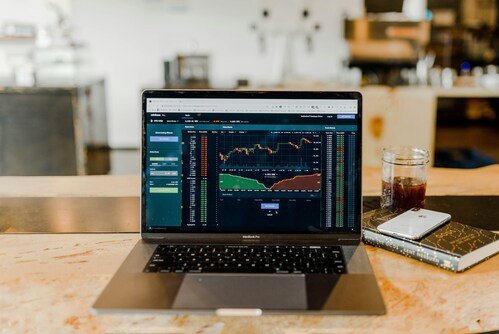
Cryptocurrency exchanges serve as critical platforms in the digital currency ecosystem, facilitating the buying, selling, and trading of various cryptocurrencies. Essentially, these exchanges function similarly to conventional stock markets, allowing users to exchange their fiat currencies or other digital assets for cryptocurrencies like Bitcoin, Ethereum, and a host of altcoins. By providing a marketplace for transactions, cryptocurrency exchanges contribute significantly to the liquidity and accessibility of digital assets, making them vital for both casual investors and professional traders.
There are primarily two types of cryptocurrency exchanges: centralized and decentralized exchanges. Centralized exchanges, such as Binance and Coinbase, operate through a central authority that manages transactions and user accounts. These platforms typically offer higher liquidity, faster transactions, and user-friendly interfaces, attracting a broader audience. However, they also introduce risks related to regulation and the potential for hacks, given that they hold users’ funds and sensitive information on their servers.
On the other hand, decentralized exchanges (DEXs), such as Uniswap and SushiSwap, operate on a blockchain framework without a central governing body. This type of exchange allows users to trade directly from their wallets, thereby enhancing security and privacy. DEXs utilize smart contracts to facilitate transactions, often leading to lower fees and reduced risk of fraud. However, they may be less intuitive for beginners and can suffer from lower liquidity compared to their centralized counterparts.
Understanding the role of cryptocurrency exchanges is essential for anyone looking to enter the digital currency market. These platforms not only simplify the transaction process but also bridge the gap between traditional finance and the emerging world of cryptocurrencies. By becoming familiar with the different types of exchanges and their functionalities, users can make informed decisions that align with their trading strategies and risk tolerance.
How to Choose the Right Exchange
Selecting the optimal cryptocurrency exchange is a pivotal step for both novice and experienced traders. The right platform can enhance one’s trading experience, but poor choices may lead to security threats and unnecessary costs. Thus, several critical factors warrant consideration.
Firstly, security measures are paramount. A reputable cryptocurrency exchange should implement robust security protocols such as two-factor authentication (2FA), cold storage for funds, and regular security audits. These elements help protect users against potential breaches and unauthorized access. Additionally, it is beneficial to review the exchange’s history regarding hacks or thefts, as this can provide valuable insights into their security practices.
User interface is another important aspect. A user-friendly platform that caters to both beginners and advanced traders can ease the learning curve associated with cryptocurrency trading. Evaluate the layout, ease of navigation, and overall functionality. A well-designed interface tends to enhance efficiency, making it easier for users to execute trades quickly and manage their portfolios effectively.
Fees are also a crucial consideration. Cryptocurrency exchanges may charge various types of fees such as trading fees, withdrawal fees, and deposit fees. Comparing these costs across platforms can help identify a favorable option that aligns with your trading strategy. Many exchanges also provide the option to view an extensive list of available cryptocurrencies. It is beneficial to choose an exchange that offers a diverse selection to ensure that you can explore various investment opportunities.
Finally, reliable customer support cannot be overlooked. Choose an exchange that provides multiple channels for assistance, such as live chat, email, or phone support. Fast and effective customer service is vital, especially when trading volume is high or if technical issues arise. For newcomers, it is also wise to be vigilant for red flags, such as unrealistic promises or lack of transparency. By adhering to these guidelines, one can confidently navigate the complex landscape of cryptocurrency trading, ensuring a fruitful experience.
Understanding Trading Fees and Other Costs
When engaging with cryptocurrency exchanges, understanding the various fees associated with trading is critical for maximizing profit margins and minimizing losses. Primarily, trading fees are the most prevalent costs, typically taking the form of a percentage-based charge applied to each transaction. These fees can vary significantly across different platforms, often influenced by factors such as the trading volume and the type of order placed. Notably, professional traders may encounter reduced fees due to higher trading volumes, emphasizing the necessity of evaluating fee structures diligently.
In addition to trading fees, withdrawals and deposits can incur separate charges. Withdrawal fees are the costs associated with transferring cryptocurrency out of the exchange, while deposit fees may apply when adding funds. Some exchanges offer free deposits, but withdrawals tend to attract fees that fluctuate based on network conditions and the specific cryptocurrency. Therefore, it is essential to review these cost implications before executing trades, as they can considerably diminish the potential returns on investment.
Moreover, certain exchanges may impose additional costs, such as inactivity fees or charges for certain payment methods. Inactivity fees are applicable when accounts remain unused for an extended period, which may catch novice traders off-guard. Understanding these aspects can lead to more strategic trading decisions and better financial management of one’s portfolio.
To minimize costs while trading, consider utilizing exchanges that offer lower fees, exploring promotions or incentives for frequent trading, and increasing trading volume where applicable. Additionally, transitioning between exchanges for better fee arrangements can also optimize cost efficiency. Ultimately, staying informed about the various fees and adopting smart trading practices will help navigate through the complexities associated with cryptocurrency trading.
The Future of Cryptocurrency Exchanges
The landscape of cryptocurrency exchanges is evolving rapidly, driven by technological advancements, regulatory shifts, and the increasing participation of institutional investors. One of the most significant trends emerging in this arena is the rise of decentralized finance (DeFi). DeFi platforms enable users to trade cryptocurrencies directly without the need for intermediaries, offering increased accessibility and control over assets. This shift towards decentralization may reshape the traditional exchange model by challenging centralized platforms that dominate the market today.
Moreover, regulatory changes are anticipated to play a pivotal role in the future of cryptocurrency exchanges. Governments worldwide are increasingly recognizing the necessity of regulating digital assets to protect consumers and maintain financial stability. New regulations could lead to greater transparency, enhanced security measures, and more robust identity verification processes on exchanges. These developments may alleviate some concerns associated with high volatility and fraudulent activities, thereby attracting a more extensive user base, including institutional investors who typically require higher standards of compliance and security.
The growing influence of institutional investors is another critical factor that could outline the future trajectory of cryptocurrency exchanges. With major financial institutions and hedge funds beginning to allocate resources to digital assets, the demand for reliable and secure trading platforms is likely to increase. Exchanges that adapt to meet the needs of these investors—such as offering advanced trading features, improved liquidity, and comprehensive market analytics—may emerge as leaders in the evolving market.
In conclusion, the future of cryptocurrency exchanges is poised for significant transformation. By embracing innovations in DeFi, adapting to regulatory requirements, and addressing the needs of institutional investors, exchanges will not only enhance their competitive edge but also contribute to the broader adoption of cryptocurrencies as a legitimate asset class. As these trends unfold, the cryptocurrency trading landscape will likely see a blend of established platforms and emerging alternatives, catering to a diverse range of traders and investors.